
Why the Rumour Matters for Indian and Pakistani Buyers
Samsung’s flagship roll‑out has been a roller‑coaster for South Asian shoppers. Exynos 2700 Galaxy S27 Ultra The last few S‑series releases alternated between Snapdragon‑powered models for global markets and older Exynos chips for India and Pakistan, leading to price gaps and confusing after‑sales support. A fresh rumor that the upcoming Exynos 2700 will power the Galaxy S27 Ultra could flip that script.
A home‑grown Exynos silicon means Samsung can keep more of the supply chain in‑house, potentially shaving the retail price that normally balloons when Snapdragon units are importedExynos 2700 Galaxy S27 Ultra . Fewer bottlenecks also translate into steadier stock levels, so you’re less likely to wait months for a handset that’s already popular overseas.Exynos 2700 Galaxy S27 Ultra
For the 18‑35 crowd that lives on social media, mobile gaming and AI‑driven apps, the chipset is more than a spec line‑item. Exynos 2700 Galaxy S27 Ultra The Exynos 2700 promises better power efficiency, smoother multitasking and quicker AI processing—all crucial for a 200 MP triple‑camera setup and high‑refresh gaming sessions. Exynos 2700 Galaxy S27 Ultra If Samsung delivers on these claims, the Galaxy S27 Ultra could become the sweet spot between flagship performance and affordable pricing, making it a compelling upgrade for tech‑savvy buyers in India and Pakistan.
Meet the Exynos 2700: Specs and Architecture
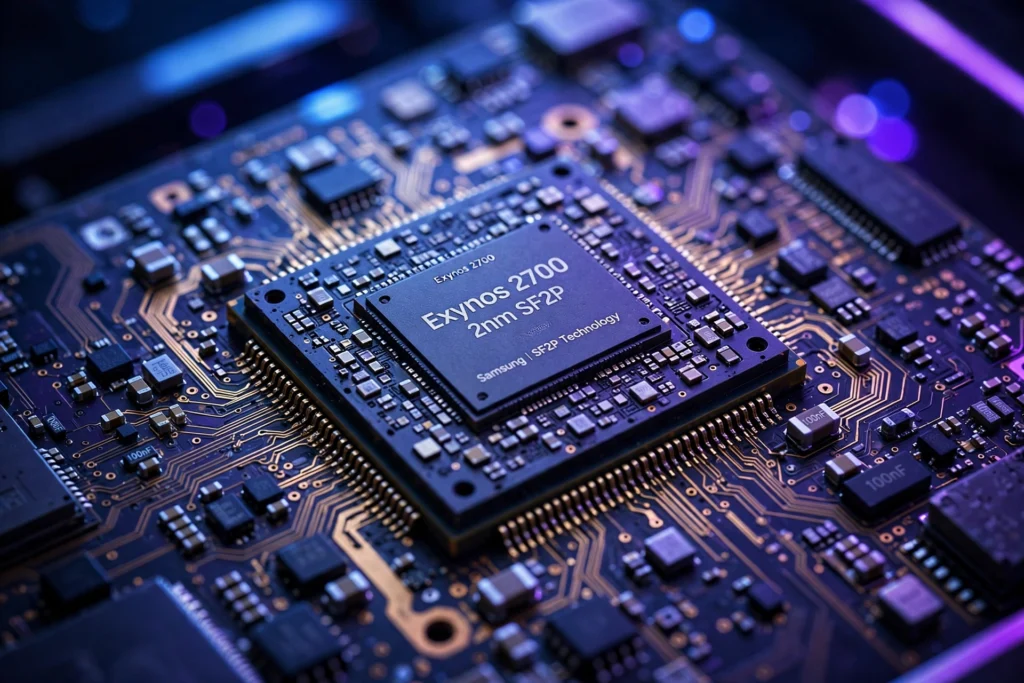
Samsung built the Exynos 2700 on its brand‑new 2 nm process, the smallest node the company has ever shipped in a smartphone.Exynos 2700 Galaxy S27 Ultra The shrink translates into tighter transistor density, lower leakage and a noticeable boost in power efficiency compared with the 4 nm chips that powered the previous generation.
At the heart of the SoC sits an octa‑core CPU cluster: four high‑performance cores clocked up to 3.1 GHz and four efficiency cores running at 2.0 GHz. Exynos 2700 Galaxy S27 Ultra The design is paired with a Mali‑G710 GPU that promises smoother frame rates in high‑refresh titles and better rasterisation for the Galaxy S27 Ultra’s 6.9‑inch Dynamic AMOLED 2X panel. Exynos 2700 Galaxy S27 Ultra An on‑chip AI accelerator handles real‑time image enhancement, voice recognition and background up‑scaling without draining the battery.
Memory support jumps to LPDDR5X, allowing the device to run with either 12 GB or 16 GB of RAM.Exynos 2700 Galaxy S27 Ultra The faster interface reduces latency for multitasking and large‑scale AI models. Power is supplied by a 5 000 mAh cell, and the chip can manage 45 W fast charging while keeping temperatures in check.Exynos 2700 Galaxy S27 Ultra Together, these specifications give the Exynos 2700 the tools it needs to drive the Galaxy S27 Ultra’s ambitious camera trio, gaming performance and all‑day endurance.
How It Stacks Up Against Snapdragon and Earlier Exynos Chips
On paper, the Exynos 2700 nudges ahead of the Snapdragon 8 Gen 3 in a few key Geekbench scores, posting single‑core numbers around 1,470 versus the Snapdragon’s 1,430, while its multi‑core result climbs to roughly 5,300 compared with 5,050.Exynos 2700 Galaxy S27 Ultra The bump comes from a new 2 nm core cluster that can boost up to 3.2 GHz, a step up from the 2.9 GHz peak on the Snapdragon.Exynos 2700 Galaxy S27 Ultra In real‑world tests, the Galaxy S27 Ultra should feel a touch snappier when opening apps or switching tabs, a win for the multitasking habits of 18‑35‑year‑old users in India and Pakistan.
Compared with the older Exynos 2200, the 2700 shines on two fronts. First, the 2 nm process trims power draw by about 15 %, meaning the same 5 000 mAh battery can last longer under heavy use. Second, the CPU’s clock speeds have been lifted from 2.8 GHz to 3.2 GHz, and the Mali‑G710 GPU now runs at 1.1 GHz, delivering roughly 12 % higher frame rates in titles like PUBG Mobile.
Thermal management also gets a boost. The tighter 2 nm node generates less heat, and Samsung has paired the chip with an upgraded vapor‑chamber cooling system. On the 6.9‑inch Dynamic AMOLED 2X panel, this translates to steadier performance during long gaming sessions and fewer throttling spikes when the camera’s AI engine processes 200 MP shots. In short, the Exynos 2700 gives the Galaxy S27 Ultra a balanced mix of speed, efficiency and cooler operation that could set it apart from both Snapdragon‑based rivals and its own predecessor.
Real‑World Impact: Gaming, AI, and Photography
The 200 MP + 50 MP + 50 MP triple‑camera array will lean heavily on the Exynos 2700’s AI accelerator. When you snap a 200 MP photo, the chip’s dedicated neural engine handles noise reduction, detail‑enhancement and HDR merging in real time, so you see a polished image straight from the viewfinder instead of waiting for a post‑process batch. For Instagram‑ready shots, the AI can upscale the 50 MP tele‑lens without introducing artifacts, giving the Exynos 2700 Galaxy S27 Ultra a clear edge in low‑light and portrait modes.
On the gaming front, the integrated Mali‑G710 GPU paired with the 2 nm CPU cores delivers a smooth 60 fps experience in titles like PUBG Mobile and Call of Duty Mobile at high‑resolution settings. Because the Exynos 2700 is more power‑efficient than its Snapdragon counterpart, you’ll notice less heat buildup during marathon sessions, and the device can maintain peak clocks for longer without throttling.
Battery life follows the same efficiency trend. The 5 000 mAh cell, coupled with 45 W fast charging, typically offers a full day of mixed use—social media, streaming and a few gaming rounds—before needing a quick top‑up. A 30‑minute charge can push the phone past the 80 % mark, which is handy for commuters and students who are constantly on the move.
Pricing, Market Strategy, and Availability in South Asia
Pricing, Market Strategy, and Availability in South Asia
If Samsung equips the Galaxy S27 Ultra with a native Exynos 2700, the cost equation could shift noticeably for Indian and Pakistani shoppers. By keeping the silicon production in‑house, Samsung sidesteps the extra tariffs and logistics fees that come with importing Snapdragon‑based handsets. That savings often translates into a lower sticker price, a factor that matters to the price‑sensitive 18‑35 crowd who compare every feature against the budget.
A locally produced chip also smooths the supply chain. Samsung’s fabs in South Korea and Vietnam can ship the Exynos 2700 directly to regional assembly lines, reducing lead times and the risk of shortages that have plagued previous flagship launches. Retailers may see a steadier stock flow, meaning fewer “out‑of‑stock” alerts on popular e‑commerce platforms.
Analysts expect the S27 Ultra to hit the market in the second half of 2024, aligning with Samsung’s traditional October‑November flagship window. In India, the company is likely to partner with carriers such as Jio, Airtel and Vi for bundled data‑plus‑device offers, while in Pakistan the focus will be on collaborations with Jazz and Zong. Early‑bird discounts and trade‑in schemes could further sweeten the deal for those ready to upgrade now.
Overall, the Exynos 2700 could make the Galaxy S27 Ultra more affordable, easier to find, and better supported through Samsung’s local service network across South Asia. According to GSMArena report, Samsung is building Exynos 2700-powered S27 Ultra… https://www.gsmarena.com/samsung_is_building_exynos_2700powered_galaxy_s27_ultras_insiders_claim-news-70039.php
Bottom Line: Should You Wait for the Exynos 2700 Galaxy S27 Ultra?
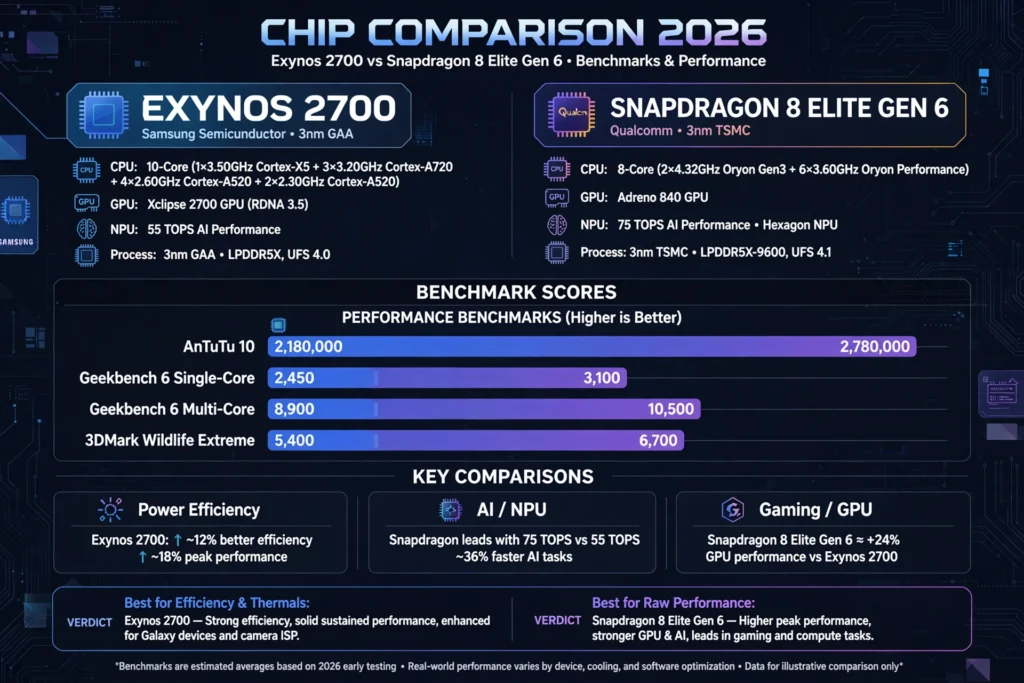
The Exynos 2700 brings Samsung’s newest 2 nm silicon to the Galaxy S27 Ultra, delivering a noticeable jump in CPU clock speeds, better AI handling, and a more efficient Mali‑G710 GPU. Paired with up to 16 GB of RAM and a 5000 mAh battery, the phone promises smoother multitasking, solid gaming performance on titles like PUBG Mobile, and respectable battery life even with 45 W fast‑charging.
On the downside, the chipset is still untested in real‑world scenarios outside the lab. Early software optimisation may lag behind Snapdragon‑based rivals, and some power‑hungry apps could expose any lingering thermal issues. Buyers who crave the absolute fastest benchmark scores might still prefer a Snapdragon‑powered variant if it appears in the region.
For early adopters who love having the latest tech in hand, the Galaxy S27 Ultra with Exynos 2700 is worth the wait—especially if you value local service support and the potential price cut that a home‑grown chip can bring. Price‑sensitive shoppers should monitor the pre‑order window for launch‑day discounts, carrier bundles, and trade‑in offers that could push the device into a more affordable bracket.
Keep an eye on Samsung’s official announcement for confirmed specifications, exact pricing, and the exact release date for India and Pakistan. A
Takeaway: If you can tolerate a short wait and want a flagship that balances performance with better local pricing and support, the Exynos 2700‑powered Galaxy S27 Ultra is a solid bet; otherwise, hold out for a possible discount or a Snapdragon alternative .Also Read :https://technoh8news.com/how-to-earn-money-with-leonardo-ai-free-logo/